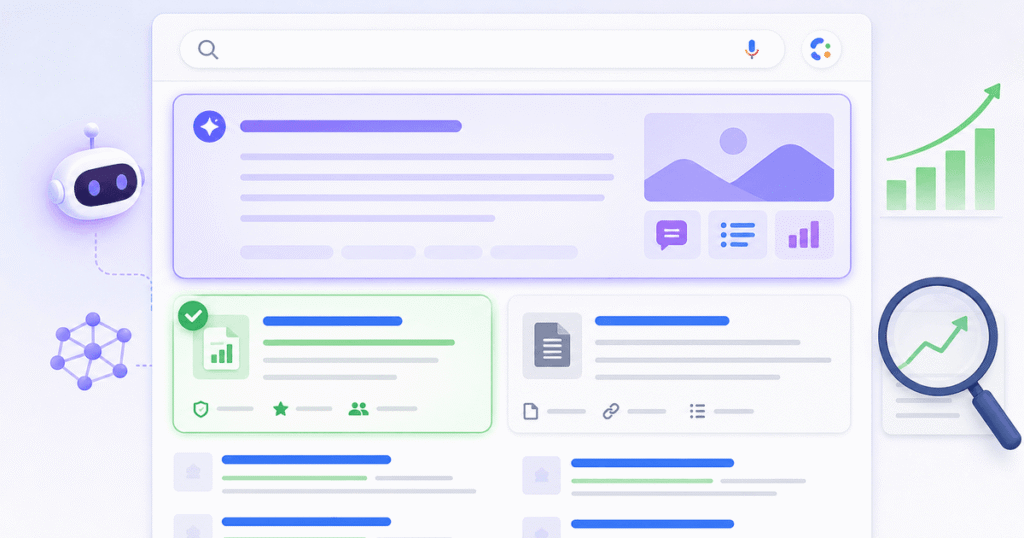


Building a convincing AI-agent demo is relatively easy. Building an agent that works reliably inside a real business process is much harder. Production systems must use trusted data, follow permissions, recover from errors, integrate with existing software, and provide a clear path for human review.
Start with a workflow, not a chatbot
The best production candidates are repeatable workflows with clear inputs and measurable outcomes. Examples include triaging support requests, preparing sales research, checking documents, or routing internal approvals. Define the decision the agent is allowed to make and the decisions that must remain with a person.
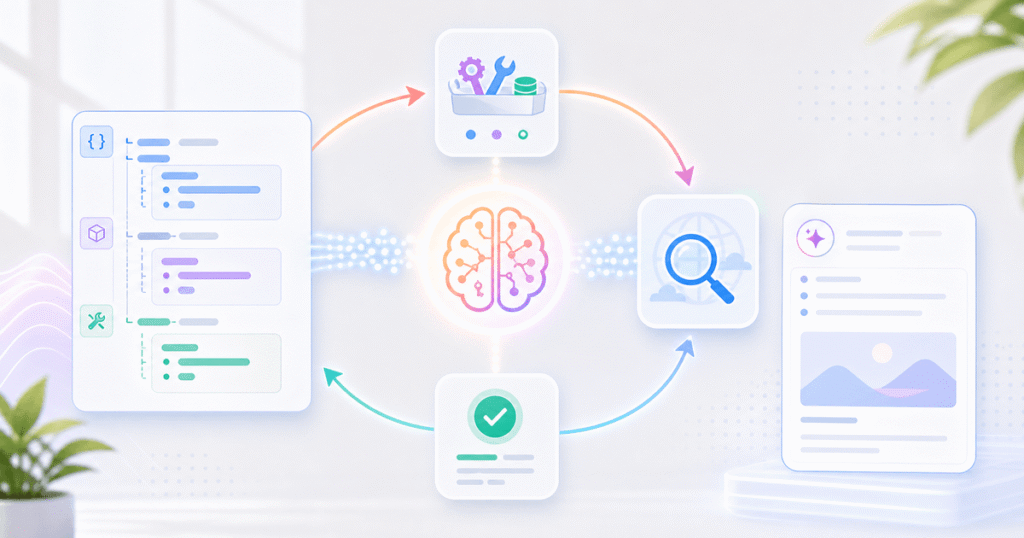
Design the production architecture
- Model layer: select models based on accuracy, latency, cost, and data sensitivity.
- Knowledge layer: connect the agent to approved documents and systems rather than relying on unverified memory.
- Tool layer: expose only the APIs and actions the workflow actually needs.
- Control layer: add authentication, authorization, rate limits, approvals, and audit logs.
- Evaluation layer: test representative tasks before and after every major change.
Integrate carefully with existing systems
An agent becomes useful when it can work inside the tools employees already use. Use stable APIs, typed inputs, idempotent actions, and clear error states. If a downstream system is unavailable, the agent should pause safely and create a recoverable task instead of silently improvising.
Measure more than response quality
Production success is not just a fluent answer. Track task completion rate, escalation rate, factual error rate, average cost per task, time saved, latency, and user satisfaction. Compare the agent with the existing manual process so the business case is visible.
Keep humans in the operating loop
Human review should be designed into the workflow for high-impact decisions, unusual requests, low-confidence outputs, and irreversible actions. The goal is not to remove people from the process; it is to give them better context and fewer repetitive steps.
A practical rollout sequence
- Choose one narrow workflow.
- Document the current process and baseline metrics.
- Build a limited pilot with synthetic or carefully controlled data.
- Run evaluations and security tests.
- Launch to a small user group with monitoring and rollback.
- Expand only after the metrics and failure modes are understood.
AI agents create durable value when they are treated as software systems, not novelty features. A production-ready implementation combines strong engineering, responsible controls, and a workflow where success can be measured.
Put these ideas into practice
Explore where AI could help your business.
Discuss your workflow, available data, and the result you want before deciding what to build.